
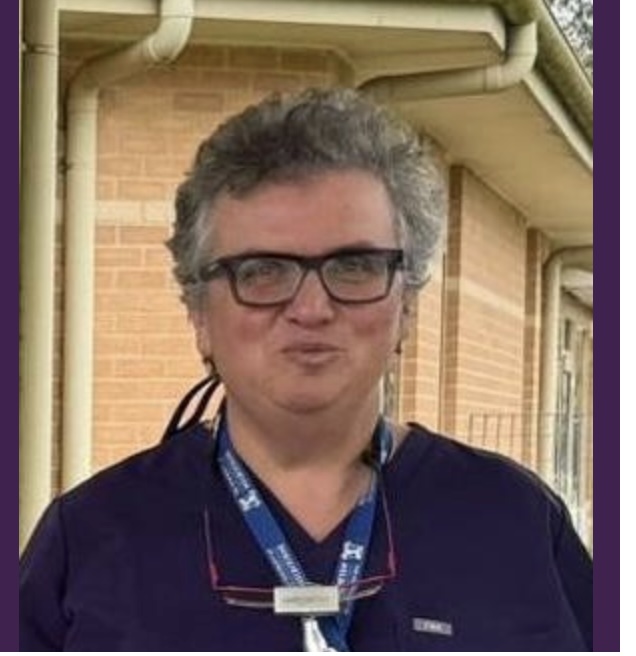
Victoria Tamara Perchyonok
Smart Smiles Initiative Healthy Smiles, Healthy Future
Abstract Title:
Preventative and Minimally Invasive Oral Health Care in Ageing Populations: A Person-Centred Approach in Geriatric DentistryBiography:
Dr Victoria Perchyonok is an oral health therapist, researcher, and educator with a PhD from The University of Melbourne, specialising in geriatric and preventative dentistry. She co-leads the Smart Smiles Initiative, delivering community-based oral health programs for vulnerable populations.
Research Interests:
The global ageing population presents significant challenges to oral health systems, particularly in the management of frail, medically complex, and cognitively impaired individuals. Geriatric patients often experience a high burden of oral disease, including root caries, periodontal disease, xerostomia, and denture-related complications, compounded by reduced dexterity and dependence on caregivers. This presentation outlines a preventative, minimally invasive, and person-centred model of oral health care designed specifically for aged care settings. Drawing on clinical experience from community-based programs in Australia, the model emphasises early risk assessment, integration of oral health into daily care routines, and targeted education for nursing staff and caregivers. Key clinical strategies include the use of silver fluoride therapies for caries arrest, glass ionomer–based restorative approaches, and simplified denture maintenance protocols tailored to patients with neurodegenerative conditions such as dementia and Motor Neurone Disease. The importance of multidisciplinary collaboration, including dental professionals, nurses, speech pathologists, and families, is highlighted to support holistic care and improve quality of life. The presentation also explores practical, hands-on training frameworks for aged care staff, focusing on brushing techniques, behavioural management, and safe oral care delivery in residents with complex needs. This approach aligns with current aged care quality standards and supports sustainable improvements in oral health outcomes through education, prevention, and accessible care pathways. Keywords (max 5) Geriatric Dentistry; Preventative Care; Aged Care; Oral Health Education; Minimally Invasive Dentistry